
Preparing Your Aircraft for Winter: Essential Cold-Weather Detailing Tips
Winter aviation operations present unique challenges for aircraft maintenance and protection. Cold temperatures, ice, snow, and aggressive de-icing chemicals create a perfect storm of conditions that can damage aircraft surfaces.
The Winter Threat: Understanding Cold-Weather Damage
Winter conditions attack aircraft from multiple angles simultaneously. Unlike summer maintenance focused primarily on UV protection and heat management, winter care must address chemical exposure, moisture intrusion, temperature extremes, and mechanical stress.
De-icing chemicals represent the most aggressive winter threat. Type I and Type IV fluids—essential for safe winter operations—contain propylene glycol or ethylene glycol plus various additives. These chemicals are designed to lower water's freezing point and prevent ice formation, but they're also highly corrosive to aircraft surfaces. Left on the aircraft beyond their functional period, they degrade paint, corrode aluminum, damage rubber seals, and attack composite materials.
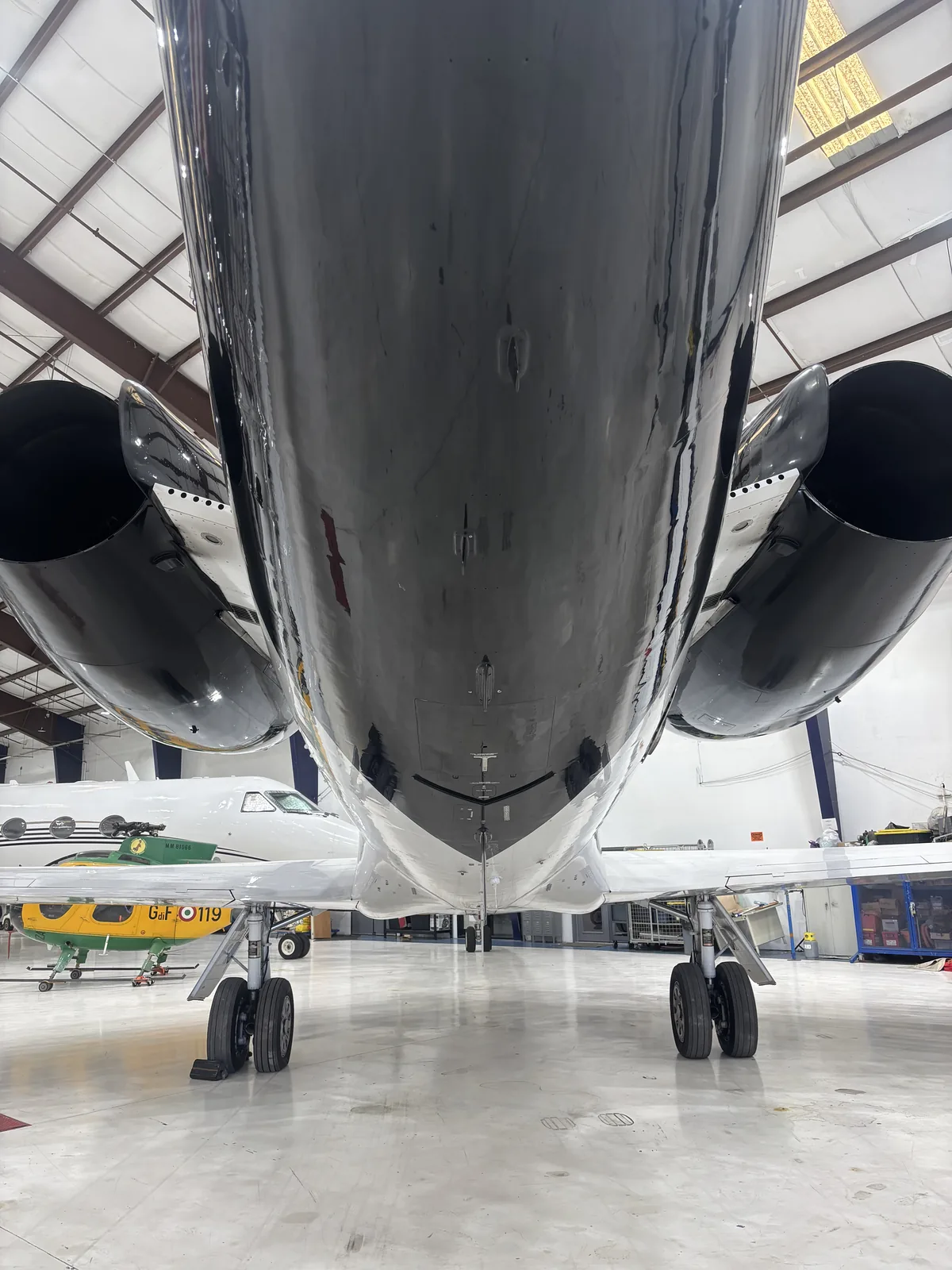
Temperature cycling causes expansion and contraction that stresses materials. An aircraft sitting on a cold ramp at -10°F, then moved into a heated hangar at 70°F experiences an 80-degree temperature swing. Paint, sealants, and protective coatings expand and contract at different rates than the underlying metal or composite. Repeated cycling causes micro-cracking in protective finishes, allowing moisture penetration and accelerating corrosion.
Moisture and ice formation create their own damage pathways. Water expands approximately 9% when freezing. Water that penetrates into cracks, seams, or damaged areas expands when it freezes, widening those openings and allowing more water intrusion. This freeze-thaw cycle progressively damages seals, opens paint cracks, and can even damage structural components if water enters critical areas.
Pre-Winter Protection: Setting Up Your Defense
Effective winter protection begins before the first snowfall. Pre-winter preparation services establish protective barriers and address existing vulnerabilities that winter conditions would exploit. This proactive approach costs far less than reactive repairs after winter damage occurs.
Comprehensive exterior decontamination forms the foundation. Every trace of summer contamination—bug residue, tree sap, road film, previous protective coatings—must be removed. Professional clay bar treatment, chemical decontamination, and thorough washing create a pristine surface ready for protection.
Paint inspection and correction address vulnerabilities before winter exposure. Any chips, cracks, or areas of paint degradation become entry points for moisture and de-icing chemicals. Professional detailers identify these issues and recommend appropriate repairs—from simple touch-up to more extensive correction. Addressing these vulnerabilities prevents minor issues from becoming major problems during winter operations.
Protective coating application provides the barrier against winter threats. For aircraft that already have ceramic coating, pre-winter inspection and booster application refresh the protective layer. For aircraft without ceramic coating, heavy-duty sealants formulated for winter conditions provide enhanced protection. These products create hydrophobic barriers that cause water and chemicals to bead and roll off rather than sitting on the surface.
Seal and weather stripping inspection prevents moisture intrusion into the aircraft. Winter's freeze-thaw cycles exploit any gaps or damaged seals. Professional inspection identifies compromised seals around doors, windows, inspection panels, and service access points.
Winter Operations: Post-Flight Care
Once winter operations begin, post-flight care becomes critical. De-icing fluid—necessary for safe flight—must be removed promptly after operations conclude. The fluids designed to prevent ice formation during flight become corrosive contaminants once their protective function is complete.
Timing matters critically. De-icing chemicals begin degrading aircraft surfaces within hours of application. Ideally, aircraft should receive professional cleaning within 24 hours of winter operations. For aircraft flying frequently, this might mean daily or every-other-day cleaning during active winter periods.
Professional winter washing uses specialized techniques and products. Standard washing approaches don't adequately remove de-icing chemicals—these products are designed to resist water, so simple rinsing is ineffective. Professional detailers use pH-balanced cleaners specifically formulated to break down and remove glycol-based chemicals without damaging aircraft surfaces.
Attention to critical areas prevents specific winter damage patterns. Landing gear and wheel wells accumulate de-icing chemicals and runway salt. These areas need thorough cleaning and inspection. Control surfaces, hinges, and actuators require careful cleaning to remove chemicals that could freeze and affect function.
Interior Winter Care: Climate Control and Protection
Winter affects aircraft interiors differently than exteriors, but the challenges are equally important. Heating systems create dry air that accelerates leather degradation and causes wood to crack. Snow and moisture tracked inside lead to mold, mildew, and material damage. Salt from runways corrodes metal components and damages flooring.
Leather conditioning becomes more important during winter. Heated cabin air removes moisture from leather, causing it to dry out, crack, and lose suppleness. Professional leather conditioning replaces lost moisture and maintains the material's flexibility. We recommend conditioning treatments before winter begins and additional applications mid-season for aircraft with frequent winter use.
Moisture management prevents mold and mildew growth. Snow and slush tracked into the aircraft create damp conditions ideal for mold growth in carpets and upholstery. Professional deep cleaning removes moisture and treats materials with antimicrobial products. Proper ventilation during hangar storage prevents moisture accumulation.
Floor protection addresses salt and chemical damage. Aircraft floor materials face assault from road salt and de-icing chemicals tracked in on shoes. Protective mats at entry points capture these contaminants before they spread. Regular professional cleaning removes salt deposits before they cause permanent staining or material degradation.
Storage Considerations: Hangared vs. Outdoor Aircraft
Storage conditions dramatically affect winter maintenance requirements. Hangared aircraft enjoy significant protection from direct exposure to snow, ice, and precipitation. However, they still require winter maintenance—de-icing chemicals applied before flight don't disappear just because the aircraft returns to a hangar.
Climate-controlled hangars provide optimal winter storage conditions. Consistent temperature and humidity prevent the extreme cycling that stresses materials. However, even climate-controlled storage doesn't eliminate the need for chemical removal after winter operations.
Outdoor-stored aircraft face maximum winter exposure and require aggressive protection protocols. Heavy-duty protective coatings become essential. More frequent inspections identify developing problems before they cause significant damage. Covers for sensitive areas—pitot tubes, engine intakes, exhaust ports—prevent moisture and contaminant intrusion.
For aircraft that won't fly during winter months, long-term storage preparation differs from active-use maintenance. Comprehensive pre-storage cleaning removes all contaminants. Full protective coating application provides months of protection. Interior preparation includes thorough cleaning, leather conditioning, and moisture management products.
Regional Winter Considerations
Winter severity varies dramatically by region, and maintenance approaches should match local conditions. Aircraft based in the Northeast or upper Midwest face months of below-freezing temperatures, frequent snow, and heavy de-icing chemical exposure. These aircraft require the most aggressive protection protocols and most frequent winter maintenance visits.
Coastal winter environments add salt air to the challenges, requiring additional attention to corrosion prevention. Salt accelerates corrosion dramatically and requires thorough rinsing after any exposure. Mountain-based aircraft face UV exposure even in winter—high-altitude airports see intense UV year-round—combined with extreme temperature swings and icing conditions.
Even milder winter climates benefit from winter preparation. Occasional freezing temperatures, frost formation, and winter precipitation events can cause damage if protective measures aren't in place. The cost of seasonal preparation is consistent regardless of climate severity; the cost of damage is not. For comprehensive year-round protection, consider our ceramic coating service, paired with regular maintenance washes and de-ice boot cleaning. We cover aircraft owners across New York State — get in touch to book your pre-winter service.
Prepare your aircraft for winter with professional detailing services.
GET FREE QUOTATION