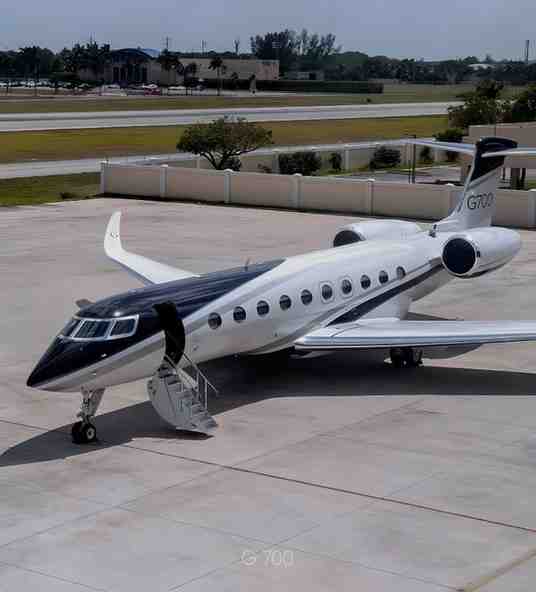
Aircraft Paint Polishing: Restoring Your Aircraft's Finish to Factory-Fresh Condition
Aircraft paint polishing is one of the most transformative services in aviation detailing. Done correctly, it eliminates years of oxidation, swirl marks, and surface contamination — restoring a deep, mirror-like gloss that reflects the true quality of your aircraft.
Why Aircraft Paint Deteriorates Over Time
Every flight your aircraft takes subjects its painted surfaces to a barrage of environmental aggressors. At cruising altitude, UV radiation is significantly more intense than at ground level — studies suggest radiation exposure increases roughly 10–15% per 1,000 feet of altitude. Over years of operation, this UV bombardment breaks down the chemical bonds in your paint's clear coat, causing oxidation that manifests as a dull, chalky, or milky appearance.
Beyond UV, the thermal cycling that aircraft endure is extreme. Aircraft sitting on the ramp in summer sun may have surface temperatures exceeding 150°F. Hours later at cruising altitude, those same surfaces experience sub-zero temperatures. This constant expansion and contraction creates micro-stress fractures in the paint film over time, allowing environmental contaminants to penetrate deeper into the paint system.
Insects, bird strikes, jet exhaust residue, de-icing fluid, hydraulic fluid, and industrial fallout all contribute to paint degradation. Insect remains are particularly damaging — their organic acids etch into paint within hours of contact if not properly removed. Over seasons and years, these cumulative insults rob an aircraft of its finish and, left unaddressed, eventually threaten its structural protective barrier.
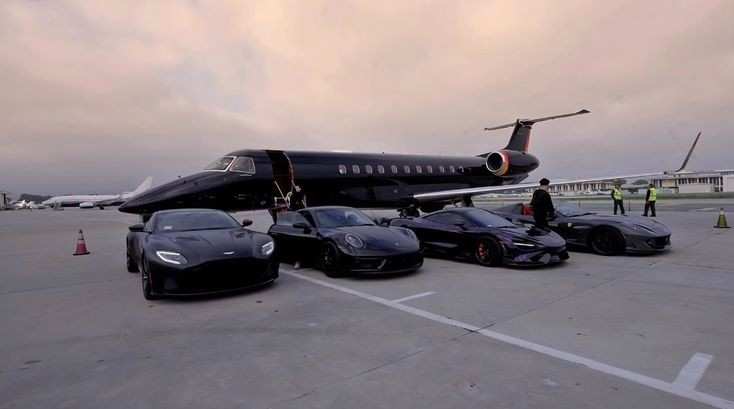
What Paint Polishing Actually Does
Paint polishing is a controlled abrasive process that removes a microscopic layer of damaged clear coat to reveal the fresh, undamaged paint beneath. Using professional-grade polishing compounds and machine polishers, a skilled technician works in stages — beginning with a cutting compound to address deeper defects, followed by progressively finer polishing stages that refine the surface to an optically clear, high-gloss finish.
The process is highly technical and requires deep understanding of aviation paint systems. Aircraft manufacturers use different paint formulations — polyurethane topcoats, urethane clear coats, and in some cases, older lacquer-based systems. Each responds differently to polishing. Using the wrong compound aggressiveness or machine speed on a thin clear coat can burn through to the base coat, creating a problem far worse than the original oxidation.
Professional aviation detailers perform paint thickness measurements before beginning any polishing work. These measurements, taken with precision electronic gauges, map the paint thickness across the aircraft and establish safe limits for material removal. This ensures that the polishing process restores the surface without compromising the paint's protective function.
The Multi-Stage Polishing Process
A comprehensive aircraft paint polishing service proceeds in carefully sequenced stages, each building upon the last:
Stage 1 — Decontamination: Before any polishing begins, the aircraft surface must be thoroughly cleaned and decontaminated. Iron fallout removers chemically dissolve metallic contamination embedded in the paint. Clay bar treatment removes surface-bonded contaminants that washing cannot address. Only a properly decontaminated surface can be effectively polished.
Stage 2 — Paint Correction: Using cutting compounds and dual-action or rotary polishers, technicians work section by section across the aircraft, removing oxidation, water spots, and surface scratches. Work is performed in controlled lighting conditions that reveal every surface defect for complete correction.
Stage 3 — Refinement: After defect correction, the surface is refined with finer polishing compounds that eliminate any micro-scratches left by the cutting stage and develop maximum gloss depth.
Stage 4 — Protection: The freshly polished surface is immediately sealed with a quality paint sealant, carnauba wax, or ceramic coating to protect the work and extend the results. This final stage is critical — polished paint without protection degrades rapidly.
Polishing vs. Waxing: Understanding the Difference
A common misconception conflates paint polishing with waxing. These are fundamentally different processes. Waxing applies a protective layer over the existing paint surface — it adds protection but does nothing to correct surface defects. If the paint beneath the wax is oxidized or swirled, the wax simply seals those defects in.
Polishing actually modifies the paint surface through controlled abrasion, removing defects and restoring clarity before protection is applied. Think of it as the difference between cleaning a scratched piece of glass versus simply spraying it with window cleaner. One addresses the underlying condition; the other merely covers it temporarily.
For aircraft that have not been professionally polished in several years, waxing alone cannot restore lost gloss. A polishing service is necessary to reverse existing damage before protective coatings are applied. After polishing, regular protective maintenance — whether wax, sealant, or ceramic coating — maintains the restored finish.
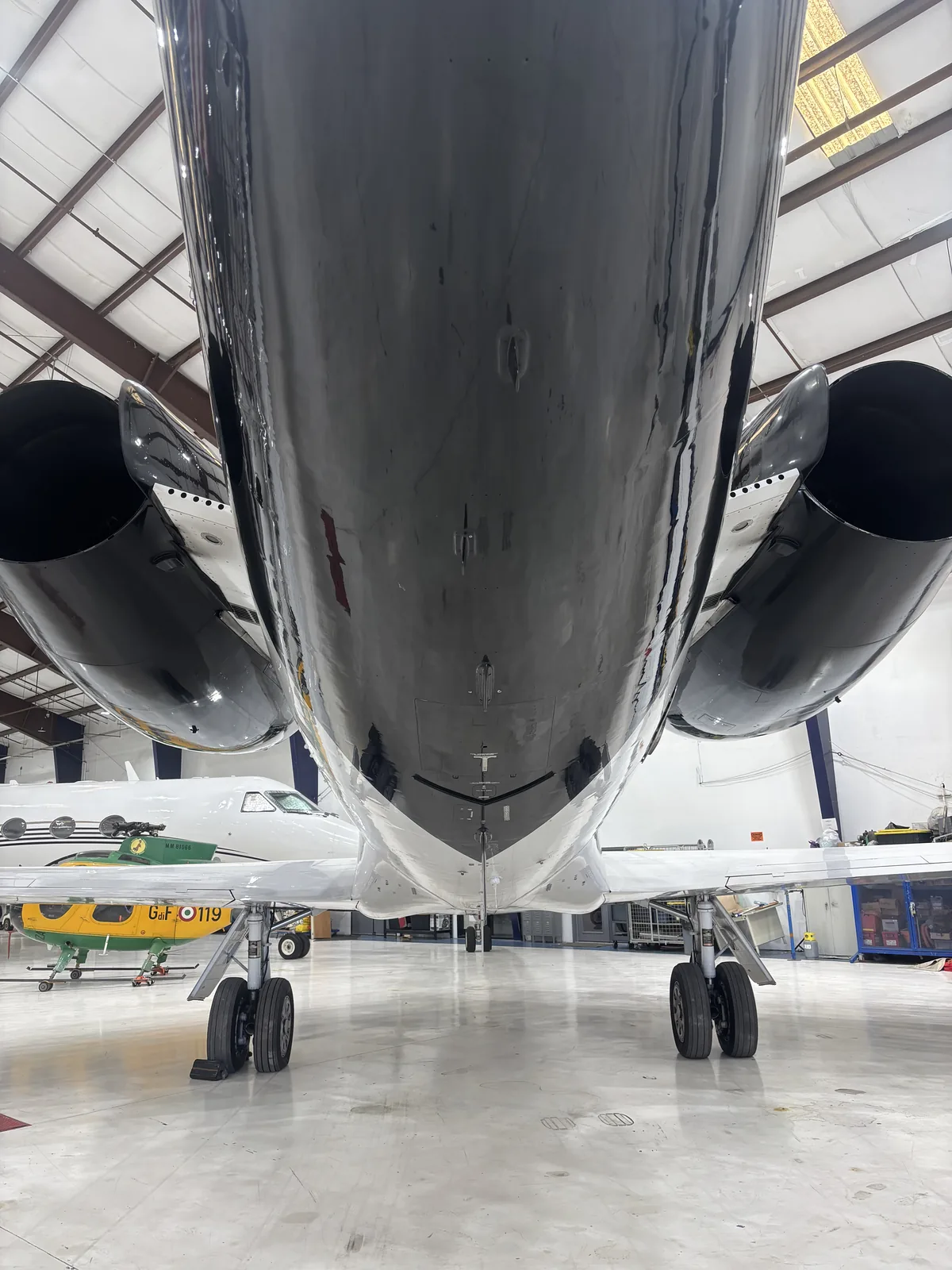
Special Considerations for Aviation Paint Systems
Aviation paint systems differ significantly from automotive finishes in ways that matter greatly to the polishing process. Aircraft are painted with high-solids polyurethane topcoats that provide excellent durability and chemical resistance but can be thinner than automotive clear coats. Many aircraft, particularly those painted more than a decade ago, may have paint systems that have never been professionally corrected and may be at or near minimum film thickness.
Older aircraft with original paint may use single-stage systems without a separate clear coat. These require different polishing approaches, as the color coat itself is being polished rather than a clear layer above it. Cutting too aggressively can remove significant color coat material in a single session.
Composite surfaces — increasingly common in modern aircraft — present their own considerations. Fiberglass and carbon fiber components have gel coat surfaces that polish similarly to automotive paint but require awareness of the heat generated during machine polishing, as excessive heat can affect composite bonding.
How Often Should Aircraft Be Professionally Polished?
Polishing frequency depends on several factors: the aircraft's operational intensity, storage conditions (hangared vs. tie-down), the protection applied after previous polishing, and the owner's cosmetic standards.
For actively flown aircraft stored on outdoor tie-downs in New York's variable climate, annual professional polishing is generally recommended. Aircraft stored in hangars with regular wax or sealant maintenance may extend this to every 18-24 months. Aircraft protected with professional-grade ceramic coating require polishing less frequently — perhaps every 3-5 years — as the coating dramatically reduces oxidation and contamination buildup.
The key indicator that polishing is needed is visible oxidation or significant loss of gloss depth. Waiting until paint is severely degraded increases the correction work required and, in extreme cases, may exceed what polishing can address — necessitating a repaint instead.
Protecting the Investment After Polishing
The effort and cost invested in professional paint polishing is best protected with appropriate post-polishing treatment. For aircraft owners seeking maximum durability with minimal ongoing maintenance, ceramic coating applied immediately after polishing creates a semi-permanent protective layer that resists UV, chemical contamination, and surface oxidation for years.
For owners preferring a more flexible approach, high-quality aviation-grade paint sealants provide 6-12 months of solid protection and are refreshed as part of regular maintenance wash services. Carnauba wax provides a warm, deep gloss and natural protection, applied after each detailed wash for aircraft owners who prioritize ultimate cosmetic depth.
We serve aircraft owners across Long Island, the Hamptons, New York City, and Upstate New York, with all work performed at your hangar or FBO location.
Ready to restore your aircraft's finish to factory-fresh condition?
GET FREE QUOTATION