Inside the Cabin: A Complete Guide to Professional Aircraft Interior Detailing
The aircraft cabin is where passengers form their most lasting impressions of your aircraft — and where some of the most expensive materials in aviation are exposed to the harshest operating conditions. Professional interior detailing is not optional maintenance; it's essential care for both luxury and longevity.
Why Aircraft Cabins Demand Specialized Care
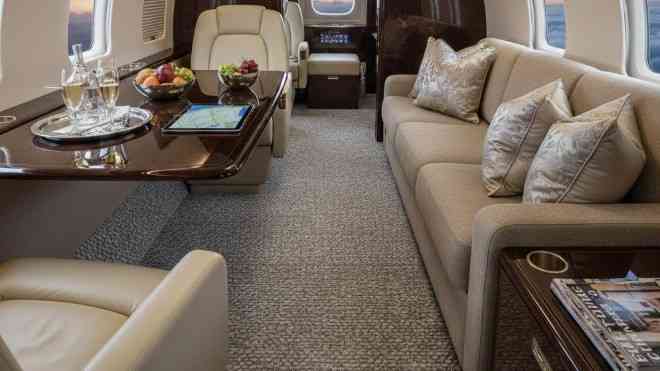
Aircraft interiors are among the most complex environments in all of luxury goods. A single cabin may contain hand-stitched full-grain leather, exotic wood veneers, polished metal trim, precision-engineered fabric headliners, deep-pile carpeting, and advanced electronic components — all within a few hundred square feet. Each material has specific care requirements, and using the wrong product on any surface can cause irreversible damage.
What makes aircraft interiors uniquely challenging compared to even the finest automotive cabins is the operating environment. Cabin air at altitude is exceptionally dry — humidity levels often drop below 10%, far drier than most deserts. This extreme aridity accelerates the drying and cracking of leather and the shrinkage of wood veneers. At the same time, the recirculated air inside the cabin accumulates body oils, perspiration, food residues, and bacteria with every flight cycle.
The pressurization cycles themselves stress interior fittings and upholstery. Every flight involves a pressure change equivalent to descending from altitude to ground level, causing micro-flexing of panels and seams. Over hundreds or thousands of cycles, this weakens stitching, stresses panel edges, and can cause delamination of veneer surfaces if moisture has penetrated.
Leather: The Most Critical Interior Surface
Aviation leather is typically full-grain or top-grain hide, selected for durability and luxury appearance. In private aviation, leather seating represents a significant portion of interior cost — complete re-upholstery of a mid-size jet cabin can exceed $150,000. Professional care that extends leather life by even a few years represents substantial financial savings.
The professional leather care process begins with a thorough cleaning using pH-neutral leather cleaners applied with soft brushes. These products penetrate the leather's pores to extract embedded oils, body soils, and contaminants without stripping the leather's natural oils. Aggressive cleaning with improper products — particularly anything alkaline or solvent-based — can strip the leather's protective finish and cause it to harden, crack, or change color.
Following cleaning, leather conditioning is applied to restore moisture and flexibility. Aviation leather conditioners are specially formulated to penetrate deeply while maintaining the leather's breathability. Regular conditioning — typically every 60-90 days for actively flown aircraft — prevents the brittleness that leads to cracking. Once leather cracks, it cannot be fully restored without re-upholstery; prevention is the only true solution.
Color restoration is another element of leather care that extends life significantly. Aviation leather color can fade from UV exposure through windows and abrade from repeated passenger use. Professional color restoration uses flexible leather dyes to revive faded areas, blending seamlessly with adjacent surfaces to restore a uniform, like-new appearance without the expense of replacement.
Wood Veneer Preservation
Exotic wood veneers — walnut burl, bird's eye maple, rosewood, zebrano, and others — define the aesthetic of premium aircraft cabins. These ultra-thin wood layers, often less than 1mm thick, are adhered to composite substrates and finished with aviation-grade lacquers or polyurethane coatings.
The primary threats to wood veneers are moisture imbalance and improper cleaning. Cleaning products containing water, alcohol, or ammonia can penetrate the finish and reach the wood itself, causing swelling, cracking, or delamination of the veneer from its substrate. Professional technicians use wood-safe, solvent-free cleaners specifically formulated for finished wood surfaces in aviation environments.
Polish and protection for wood veneers requires equal care. Products appropriate for wood must be matched to the finish type — lacquered surfaces require different care than polyurethane-coated ones. Properly maintained wood veneers retain their clarity, depth, and grain visibility for the life of the aircraft. Neglected veneers develop cloudiness, scratches, and eventual delamination that necessitates expensive panel replacement.
Carpeting, Fabric, and Headliners
Aircraft carpeting is purpose-engineered for aviation use — typically wool or high-quality synthetic pile designed to resist compression, staining, and fire. Despite its quality, carpet accumulates contamination rapidly in an enclosed cabin environment. Professional carpet cleaning uses hot water extraction with aviation-safe cleaning compounds that remove embedded soils without over-wetting — critical in an environment where drying times and moisture control matter greatly.
Fabric headliners present particular challenges. These materials trap odors, absorb moisture, and collect fine particulates from the cabin air. Standard cleaning methods risk water spotting or shrinkage. Professional aviation interior detailers use low-moisture encapsulation cleaning techniques that clean thoroughly while minimizing moisture introduction, preserving the headliner's appearance and structural integrity.
Seat fabric, side wall panels, and cabin divider upholstery require material-specific approaches. Ultrasuede, Alcantara, and other synthetic materials used in aviation have specific care protocols that differ from natural textiles. Cleaning with the wrong product can permanently mat the nap of suede-finish materials or cause color bleeding in darker fabrics.
Avionics, Bezels, and Hard Surfaces
The cockpit and cabin contain sensitive electronic components, precision instrument bezels, and specialty hard surfaces that require careful cleaning. Dust and contamination on avionics screens can reduce readability. Cleaning screens with inappropriate products can permanently damage anti-reflective coatings.
Professional interior detailers use electronics-safe, antistatic cleaning solutions for screens and instrument panels. Metal trim pieces — polished aluminum, brushed stainless, chrome accents — each have specific cleaning and polishing requirements. Galley surfaces, lavatory fixtures, and storage compartments are cleaned with aviation-approved sanitizing agents effective against bacteria and viruses while safe for the materials involved.
Window inspection and cleaning is also part of comprehensive interior detailing. Aircraft windows — typically stretched acrylic — scratch easily and must be cleaned with non-abrasive, acrylic-safe products. Scratched windows that obscure visibility or compromise the appearance of the cabin are a common consequence of improper cleaning in the field.
Odor Elimination and Air Quality
Aircraft cabins accumulate odors from food service, passengers, pets, fuel vapor, and general use. These odors embed in porous materials — carpeting, leather, fabric — and can persist despite surface cleaning. Professional odor elimination addresses the source rather than masking with fragrance.
Ozone treatment is an effective tool for comprehensive aircraft cabin deodorization. Ozone generators deployed in the closed cabin produce ozone gas that penetrates all porous surfaces, oxidizing and neutralizing odor-causing compounds. Post-treatment, the cabin is ventilated thoroughly. This process eliminates odors that surface cleaning alone cannot reach.
For aircraft used in charter operations or frequent passenger transport, maintaining excellent cabin air quality and odor-free environment is essential to passenger experience and business reputation. Regular professional interior cleaning as part of a scheduled maintenance program ensures the cabin always presents — and smells — like a premium product.
Recommended Interior Detailing Frequency
Interior detailing frequency should be calibrated to the aircraft's use pattern. Charter aircraft carrying multiple passengers weekly benefit from thorough interior cleaning after every charter cycle, with comprehensive deep detailing quarterly. Private aircraft used less frequently typically need thorough interior service every 60-90 days, with spot cleaning between major services.
Annual comprehensive interior services — including leather conditioning, wood veneer treatment, carpet extraction, and full surface protection — are the minimum standard for maintaining interior materials in premium condition. For aircraft approaching resale, a comprehensive interior detail significantly impacts buyer perception and appraised value, just as exterior condition does.
Our interior detailing services are performed at your location across Long Island, the Hamptons, New York City, and Upstate New York. Every service is performed with aviation-specific products and techniques developed for the unique demands of aircraft interiors. Explore our full range of aviation detailing services or contact us to discuss a customized care program for your aircraft.
Schedule a professional interior detail for your aircraft today.
GET FREE QUOTATION