Why Regular Aircraft Detailing is Critical for Long-Term Value Retention
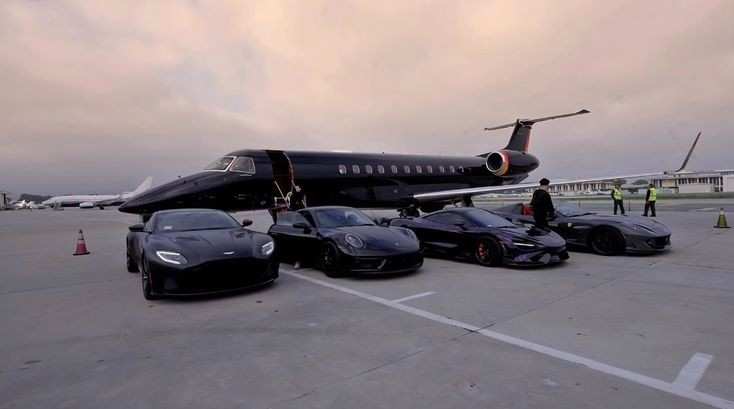
Aircraft represent significant financial investments, often valued at millions of dollars. Professional aircraft detailing isn't cosmetic maintenance; it's strategic asset protection that directly impacts your aircraft's longevity, operational integrity, and market value.
Understanding Aircraft as Financial Assets
The aviation market values aircraft condition as heavily as flight hours and maintenance history. When prospective buyers or appraisers evaluate an aircraft, they examine three key areas: mechanical systems, documentation, and physical condition. While you can't see engine health or avionics performance at first glance, paint quality and interior condition are immediately visible and create powerful first impressions that influence the entire transaction.
Industry data shows that aircraft with well-maintained exteriors and pristine interiors command premium pricing—often 10-20% above comparable aircraft with neglected cosmetics. This premium directly reflects in the sale price, making the difference between a $2 million sale and a $2.4 million sale. For aircraft owners planning to sell or trade within 5-10 years, regular professional detailing isn't an expense; it's an investment with quantifiable returns.
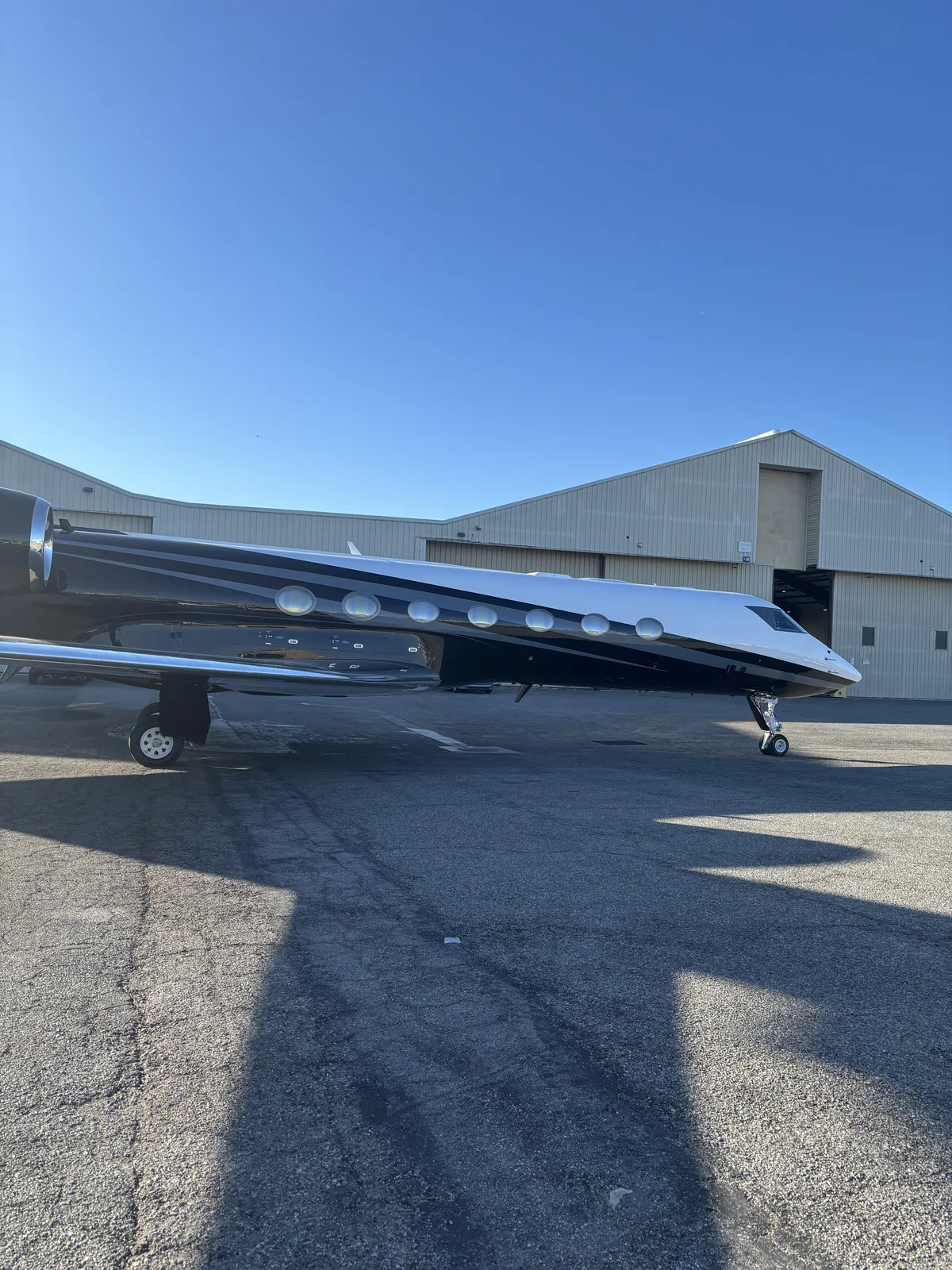
Beyond resale considerations, poorly maintained paint and interiors create operational concerns. Paint degradation affects more than aesthetics—oxidized, flaking, or damaged paint can compromise the aircraft's protective barrier against corrosion. Maintaining these elements through regular professional care prevents expensive future restoration while preserving the flying experience owners expect from their investment.
The Unique Environmental Challenges Aircraft Face
Aircraft operate in one of the harshest environments imaginable for painted surfaces and interior materials. At altitude, UV radiation intensity increases dramatically—approximately 10-15% more intense for every 1,000 feet of elevation. During a typical flight to 40,000 feet, your aircraft experiences UV exposure equivalent to hours of ground-level sun, accelerating paint oxidation and fading.
Temperature fluctuations add another layer of stress. Aircraft surfaces may experience temperatures ranging from -60°F at altitude to 150°F+ on the ramp in summer sun. These extreme temperature swings cause expansion and contraction that, over time, can crack paint, degrade sealants, and stress protective coatings.
Chemical exposure is constant and aggressive. Jet fuel residue, hydraulic fluid leaks, de-icing chemicals, and industrial pollution are all highly corrosive. Each flight introduces new contamination. Bug impacts at cruising speed embed insect remains into the paint, and their acidic composition begins etching the surface within hours.
Exterior Paint: More Than Appearance
Aircraft paint systems serve multiple critical functions beyond aesthetics. Modern aviation paint provides corrosion protection, maintains structural integrity, ensures proper heat dissipation, and even affects radar signature for certain aircraft.
Corrosion is the primary enemy of aircraft structures. Aluminum, the predominant structural material in most aircraft, is highly susceptible to corrosion when exposed to moisture, salt, and environmental contaminants. Paint creates the barrier that prevents this exposure. When paint develops chips, cracks, or degradation, moisture reaches the metal underneath, and corrosion begins.
Professional detailing identifies paint defects early. During comprehensive exterior services, our technicians inspect every square inch of painted surface, noting any chips, cracks, scratches, or areas of concern. Early identification allows for targeted touch-up or repair before water penetration occurs.
Paint oxidation is another progressive condition that professional detailing prevents. Oxidation occurs when UV exposure breaks down the paint's chemical structure, causing the surface to become dull, chalky, and porous. Regular professional detailing with proper polishing and protective coating application removes early oxidation and prevents its progression.
Interior Preservation: Protecting Luxury Materials
Aircraft interiors represent substantial investments in premium materials—leather seating, exotic wood veneers, specialized carpeting, and custom fabrics. These materials require professional care to maintain their beauty and function.
Leather, particularly in aircraft applications, faces unique challenges. The dry cabin air at altitude draws moisture from leather, causing it to dry out and become brittle. UV exposure through windows causes fading and cracking. Professional leather care includes specialized cleaning that removes embedded dirt and oils without damaging the material, followed by conditioning that replaces lost moisture and maintains suppleness.
Wood veneers in aircraft interiors—often exotic species selected for beauty and grain patterns—require equally specialized care. Dry cabin air can cause wood to shrink and crack. Professional detailing uses wood-safe cleaners and appropriate conditioning products that maintain the finish's integrity while preserving the wood's beauty.
Carpeting and fabric surfaces in aircraft require regular professional cleaning for both aesthetic and health reasons. These materials trap allergens, bacteria, odors, and particulates that accumulate with each flight. Regular professional extraction cleaning removes embedded contamination and ensures a healthy cabin environment.
The Compounding Effect of Neglect
Paint and interior degradation follows an exponential curve, not a linear one. Early damage is minor and easily corrected with regular maintenance. However, once damage reaches a threshold, deterioration accelerates dramatically.
Consider paint oxidation as an example. Initially, oxidation appears as slight dulling—easily corrected with professional polishing. Left unaddressed, the oxidation deepens, requiring more aggressive correction that removes more clear coat. Eventually, the clear coat fails entirely, exposing the base coat to direct environmental damage. At this point, spot painting or full repaint becomes necessary—costs ranging from thousands to tens of thousands of dollars, compared to hundreds for preventive polishing.
Interior materials follow similar patterns. A leather seat with proper maintenance remains supple and beautiful for decades. That same seat without care develops surface cracks within a few years. New leather seats for a mid-size cabin can cost $50,000+, while preventive conditioning costs perhaps $500 annually—a 100:1 difference in lifetime costs.
Resale Impact: Quantifying the Value Premium
When aircraft reach the market, condition is everything. Two identical aircraft—same make, model, year, and flight hours—can vary by hundreds of thousands of dollars based solely on cosmetic condition. Buyers and appraisers recognize that well-maintained appearance indicates conscientious overall ownership.
Market analysis of aircraft sales shows consistent patterns. Aircraft with documented regular professional detailing and excellent cosmetic condition sell faster—often within 60-90 days versus 180+ days for comparable aircraft with cosmetic issues. They command higher prices, typically 10-20% premiums over market average, and attract more serious buyers.
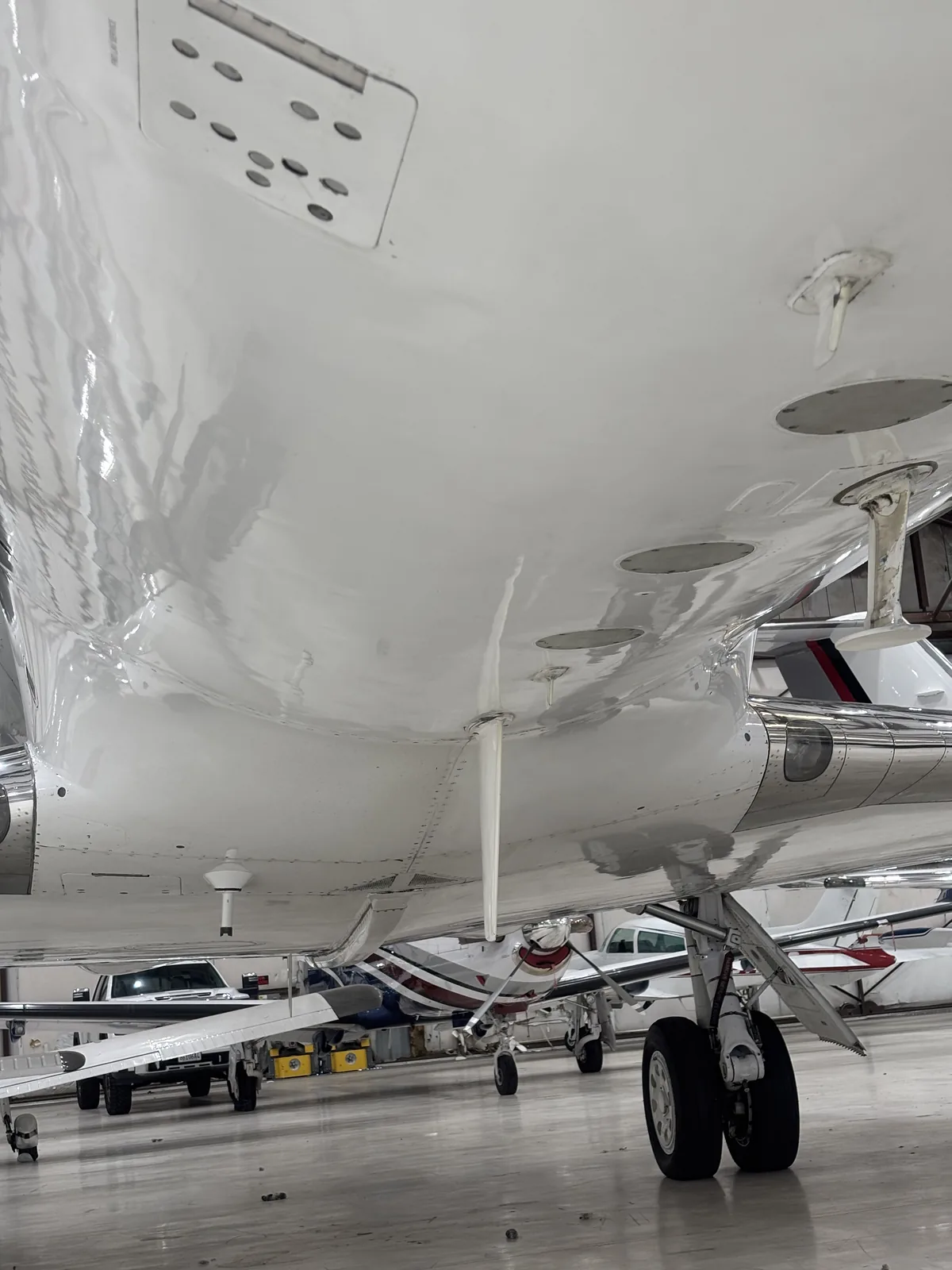
Pre-sale detailing investments return multiples of their cost. Aircraft sellers who invest $3,000-8,000 in comprehensive pre-sale detailing routinely see sale price premiums of $25,000-75,000 on mid-size jets. The return on investment exceeds 10:1 in most cases—making pre-sale detailing one of the most financially sound decisions an aircraft owner can make.
Establishing a Professional Detailing Program
The most effective approach to aircraft value preservation is a consistent, scheduled detailing program rather than reactive maintenance when problems become visible. We work with aircraft owners and flight departments to develop customized maintenance schedules based on aircraft type, operational patterns, storage conditions, and budget parameters.
Typical programs include quarterly exterior services addressing maintenance washing, paint decontamination, and protective coating maintenance. Annual comprehensive services add interior deep cleaning, leather conditioning, and full paint inspection. We operate across all New York regions — pre-trip or post-trip services for charter operations or client entertainment flights ensure the aircraft always presents at its best.
Protect your aircraft's value with a professional detailing program.
GET FREE QUOTATION