The Ultimate Guide to Aircraft Ceramic Coating: Protection That Lasts Years
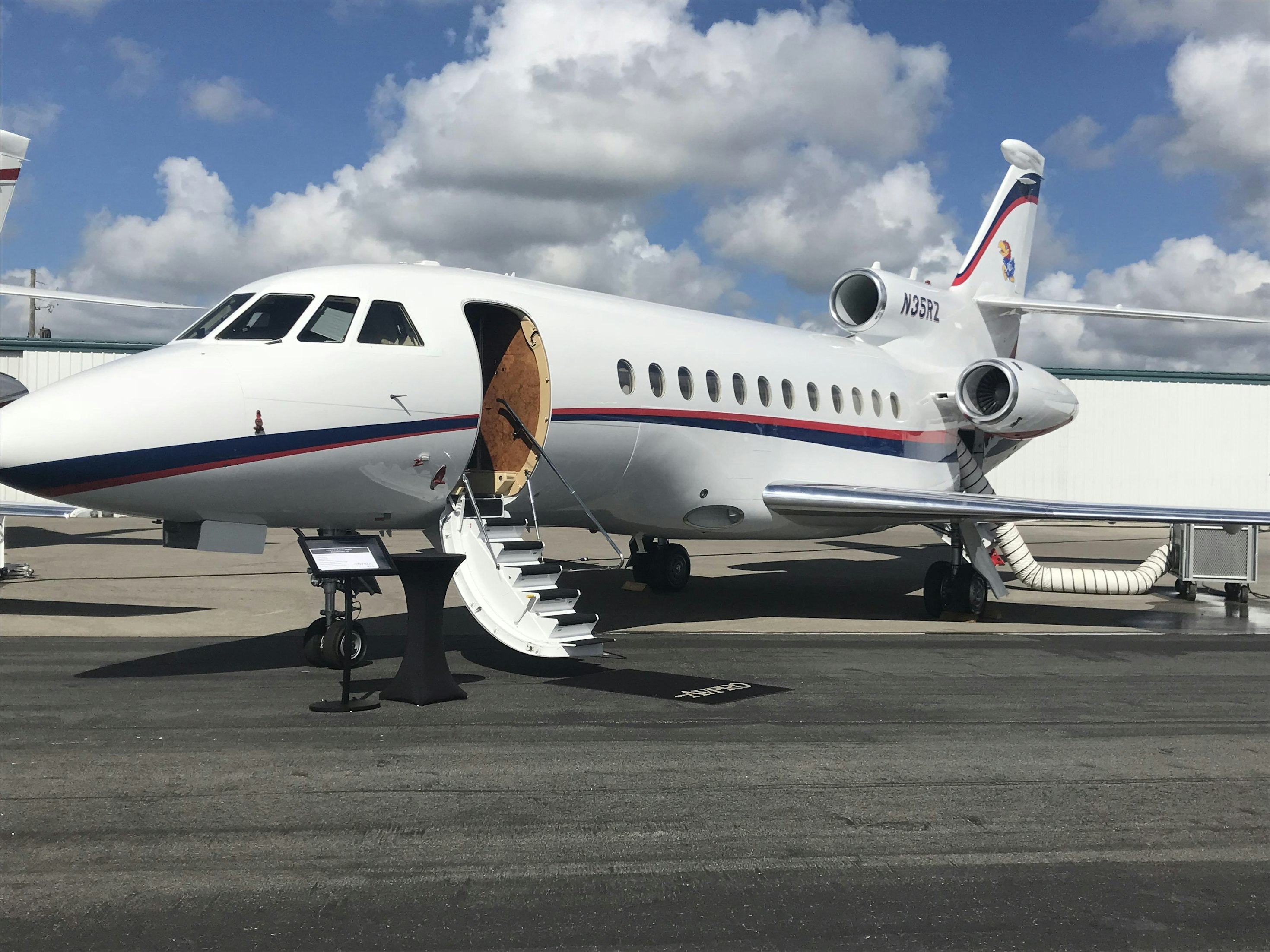
Aircraft ceramic coating represents a revolutionary advancement in aviation maintenance technology. For aircraft owners seeking the ultimate in paint protection and long-term value preservation, understanding ceramic coating is essential.
What is Aircraft Ceramic Coating?
Ceramic coating is a liquid polymer that chemically bonds with your aircraft's paint at the molecular level, creating a permanent protective layer. Unlike traditional wax or sealants that sit on top of the paint and wash away within weeks or months, professional-grade ceramic coatings form a semi-permanent bond that can last 2-3 years with proper maintenance. This fundamental difference in how the product works explains why ceramic coating has become the gold standard in aircraft paint protection.
The ceramic coating creates a hydrophobic (water-repelling) glass-like surface that provides multiple layers of protection. The chemical composition typically includes silicon dioxide (SiO2) and titanium dioxide (TiO2), which create an incredibly hard, durable surface that resists scratching, chemical etching, and environmental contamination. For aircraft that operate in harsh conditions—coastal salt air, industrial pollution, high-altitude UV exposure—this advanced protection is invaluable.
The Science Behind Long-Term Protection
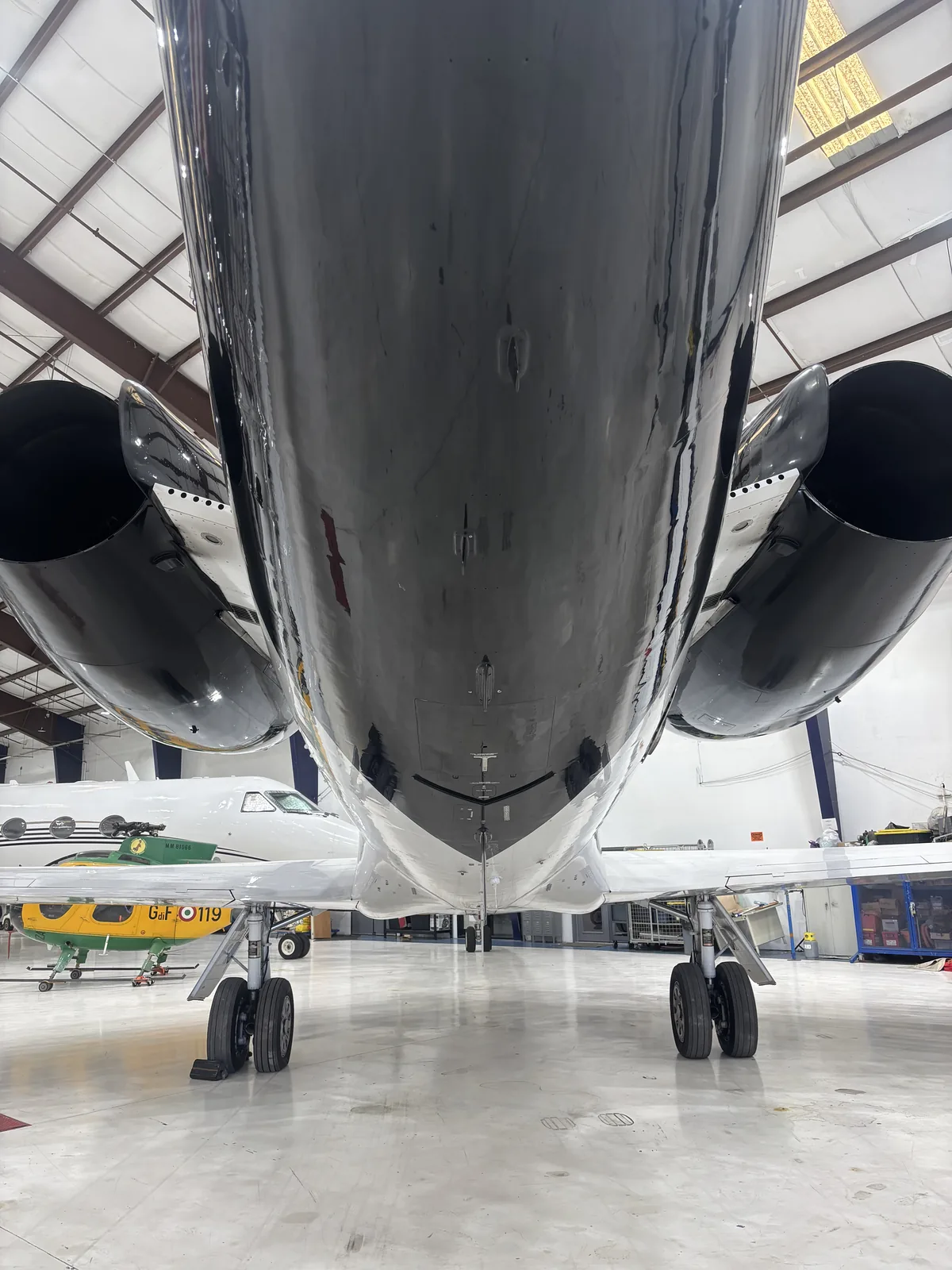
Understanding why ceramic coating lasts so much longer than traditional protection requires understanding the chemistry. When professionally applied, ceramic coating undergoes a process called cross-linking, where the coating molecules bond both to the paint surface and to each other, creating a crystalline structure. This structure is what gives ceramic coating its legendary durability and resistance to degradation.
Traditional waxes and sealants rely on physical adhesion—they stick to the paint surface but don't chemically bond. Environmental factors like UV radiation, temperature fluctuations, and chemical exposure break down this physical adhesion relatively quickly. Ceramic coatings, by contrast, become part of the paint's surface layer. While they can be removed through aggressive polishing, they don't simply wash away or degrade from normal environmental exposure.
The hardness of ceramic coating—typically rated at 9H on the pencil hardness scale—provides exceptional resistance to light scratching and swirl marks. While it won't prevent rock chips or major impact damage, it significantly reduces the minor surface scratches that accumulate from washing, wiping, and environmental contact.
Protection Against Aviation-Specific Threats
Aircraft face unique environmental challenges that make ceramic coating particularly valuable. High-altitude UV exposure is significantly more intense than ground-level, causing accelerated paint oxidation and fading. Ceramic coating's UV-resistant properties create a barrier that prevents UV radiation from reaching and degrading the paint underneath, maintaining color vibrancy and preventing the chalky appearance that develops on unprotected aircraft paint.
Chemical resistance is another critical benefit. Jet fuel, hydraulic fluid, de-icing chemicals, and industrial pollution are all highly corrosive to aircraft paint. Ceramic coating creates a chemically resistant barrier that prevents these contaminants from etching into the paint. Bird droppings, which contain uric acid and can permanently etch paint within hours, bead up on ceramic-coated surfaces and can be safely removed without causing damage.
The hydrophobic properties deserve special attention for aircraft owners. Water beads up and rolls off ceramic-coated surfaces, taking dirt and contaminants with it. This self-cleaning effect means your aircraft stays cleaner longer between washes.
Financial Benefits and ROI
While ceramic coating represents a significant upfront investment—typically ranging from several thousand to over ten thousand dollars depending on aircraft size and condition—the return on investment becomes clear when you examine long-term costs. Traditional protection methods require reapplication every few months, with each application costing hundreds of dollars. Over a 2-3 year period, the cumulative cost of traditional protection often exceeds the one-time cost of ceramic coating.
Beyond direct protection costs, ceramic coating reduces overall maintenance expenses. The enhanced gloss and protection maintain your aircraft's appearance with less frequent professional detailing. Many owners report reducing their regular washing frequency by 50-70% because the ceramic coating keeps the aircraft cleaner. Each washing saved represents both time and money—professional aircraft washing services typically cost $500–2,000 depending on aircraft size.
Perhaps most significantly, ceramic coating preserves your aircraft's resale value. Paint condition is a major factor in aircraft valuation. Well-maintained paint with ceramic coating protection can command premium pricing, while neglected paint can reduce an aircraft's value by tens of thousands of dollars.
The Professional Application Process
Professional ceramic coating application is a multi-day process that requires expertise, proper facilities, and attention to detail. The quality of application directly determines coating performance and longevity, which is why professional application is essential. DIY ceramic coating products exist, but they lack the durability and protective properties of professional-grade coatings, and improper application can actually damage your aircraft's paint.
The process begins with thorough decontamination. Every trace of existing wax, sealant, oils, and contaminants must be removed. We use aviation-specific clay bar treatments, chemical decontamination, and sometimes iron removal products to ensure the paint is completely clean.
Paint correction follows decontamination. This is arguably the most critical step. Ceramic coating amplifies whatever condition the paint is in—if there are swirl marks, scratches, or oxidation, the ceramic coating will make them more visible. Professional paint correction using graduated polishing compounds removes these defects, creating a flawless surface.
Application itself requires controlled environmental conditions. Temperature and humidity must be within specific ranges for proper curing. We apply multiple thin layers, allowing each to flash before applying the next. After final application, the coating needs 24–48 hours to cure before the aircraft can be exposed to moisture.
Maintenance Requirements
While ceramic coating dramatically reduces maintenance requirements compared to traditional protection, it's not completely maintenance-free. Proper care ensures your coating delivers its full 2-3 year lifespan.
Regular washing remains important, though required less frequently. Use pH-neutral soaps specifically designed for ceramic coatings—harsh detergents or alkaline cleaners can degrade the coating over time. Avoid automatic brushes or abrasive materials. The two-bucket wash method with microfiber wash mitts is ideal.
Annual professional inspections allow assessment of coating condition and application of booster layers if needed. These booster treatments refresh the coating's hydrophobic properties and add an extra layer of protection. They're quick and relatively inexpensive compared to full reapplication, and they extend the coating's effective lifespan.
Aviation-Specific Considerations
Not all ceramic coatings are appropriate for aircraft. Aviation applications require products that meet specific performance standards and regulatory considerations. At Platinum Aviation Detailing, we use only ceramic coatings specifically formulated and approved for aerospace applications. These products undergo testing for heat resistance, fuel resistance, and compatibility with aviation paints and primers.
Certain aircraft areas require special attention. Leading edges, engine nacelles, and exhaust areas face extreme heat and chemical exposure that require specialized coating products or application techniques. Our technicians have the training and experience to properly coat these challenging areas. Before coating, we always recommend a thorough paint decontamination and paint polishing service to maximize bonding. We serve aircraft owners across New York State — contact us today to schedule your consultation or explore our full range of aviation detailing services.
Ready to protect your aircraft with professional ceramic coating?
GET FREE QUOTATION